


Last night, Chase Infiniti, one of the “One Battle After Another” stars, strutted the Oscars red carpet in a lilac ruffled dress and what many Black women identified as the very popular hairstyle, knotless boho braids. In response, E! News commentator, Zanna Roberts Rassi, described her hair as “almost like undone.” She said, “Let’s think about this awesome almost like undone hair with the done dress. Actually, it’s mirroring the ruffles on the dress, that beautiful hair.”
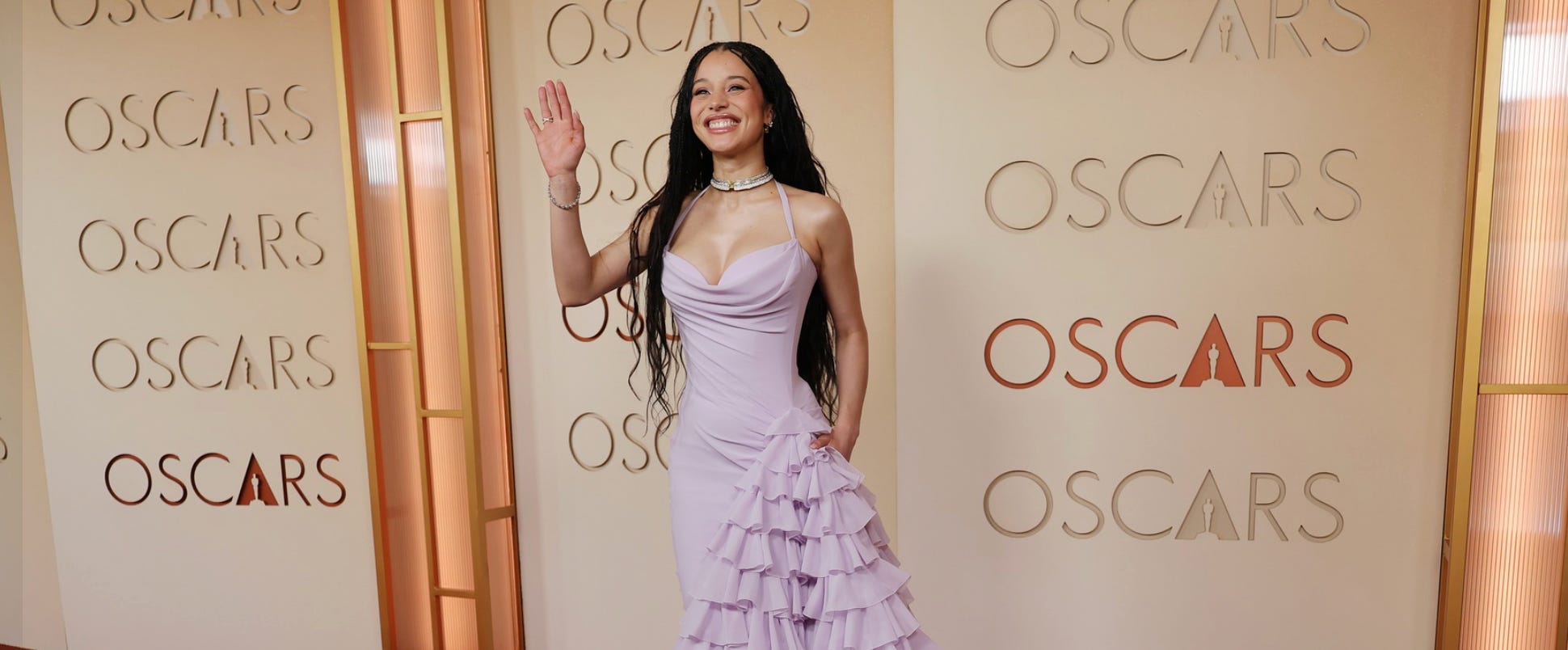
While many saw this as an innocent comment, maybe even complimentary, it actually revealed the subtleties of bias that are all around us.
Black style is such a defining and influential force in culture. Black hair has always been an expression of who Black women and girls are and how we show up in the world. Be it trends like knotless boho braids or classic afros, our style is a huge part of our cultural expression and it often sets the tone for trends globally.
Rassi’s comment showed clearly that knowledge of Black style was not seen as a requirement for reporting about one of the biggest media moments in entertainment.
Braids are a very intentional, time-intensive hairstyle that many Black women and girls use. What could have been a moment to focus on the power and influence of Black beauty on one of the biggest red carpets in the world was over-shadowed by Rassi’s ignorance about Black culture. The word “undone” especially when used in contrast to her “done” dress implied that the hairstyle was out of place, not fit to be matched with a red carpet dress.
But this is the Raising Antiracist Kids newsletter so this article isn’t really about Rassi.
And it’s actually not even about Infiniti’s stunning look.
It’s about the words that are still being used to describe Black women and girls’ hair that many may view as harmless but that actually send forth big hints of racism, ignorance and othering.
The phrase “undone” is problematic, because throughout American history, Black people have been judged harshly by the white gaze, risking not getting a job, being arrested or potentially even worse if we are perceived to be “undone” or shabby or unkempt.
Still, because we aim to be asset-based in our parenting, here’s some guidance on talking about Black hair with and around kids, especially if you’re not Black (some Black people note that they don’t want to be othered and actually resent any extra attention to their appearance. Some appreciate the positive affirmations. Everyone is entitled to their stance on this). If you have any doubts, don’t make a comment but compliments can be empowering for our Black kids. We offer some guidance on this:
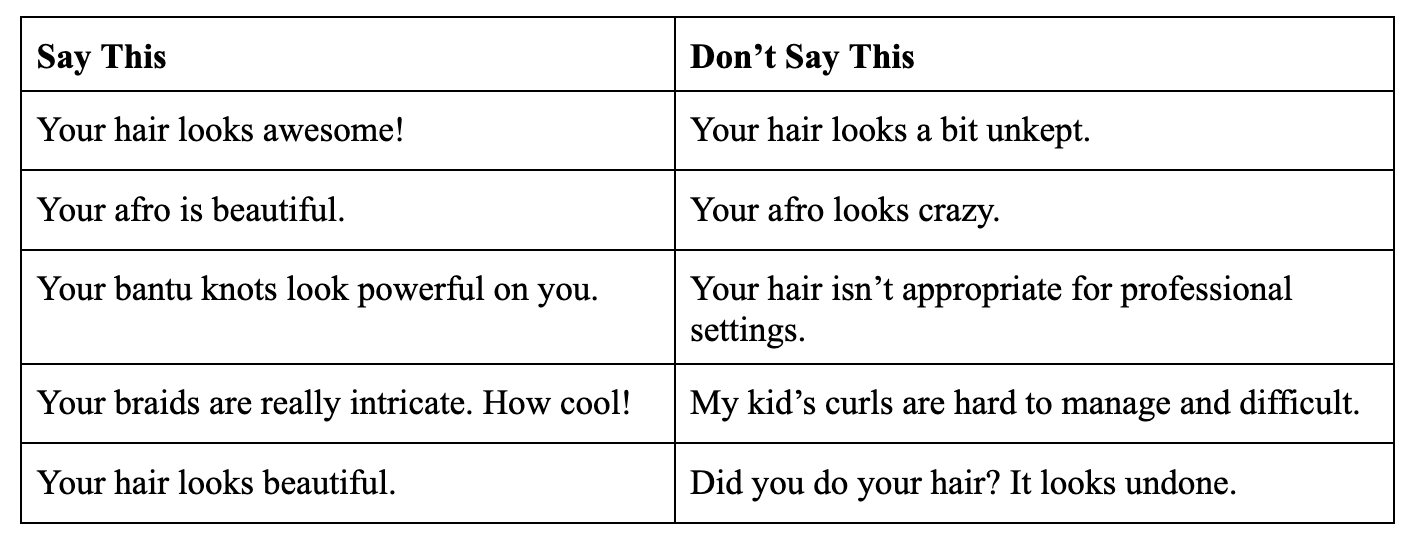
As a Black woman, I’ve heard it all about my hair. AND I’m a multi-racial Black woman, as is Chase Infiniti. The racist responses to mono-racial Black women are even more stark. In a society where whiteness is framed as the norm, frizz is seen as the enemy and the racist implications of that have been felt for generations of Black women.
The words we use with our little Black girls have a profound impact on how they view themselves, their bodies, their hair and their sense of place in this world. What some may see as flippant comments can actually be super harmful.
Conversation Helpers
We’re big fans of using culture to teach our kids important lessons on anti-racism so here are some conversation helpers to spark a convo with your kid about Black hair using the Oscars red carpet comment.
“Last night, at the Oscars, someone used the word “undone” to describe a Black woman’s hair. That word may seem innocent but it actually is part of a long history of people trying to make Black culture feel out of place in society.”
“What do you think are some other words that could have been used to describe the woman’s hair?”
“What words do you think can help a Black woman or girl feel powerful in their skin?”
“What words do you think can actually be unkind and not helpful when talking about Black hair?”
Talking to all children about the power of Blackness in culture can both reflect their own greatness for our Black kiddos, and teach all kids that everyone has the right to be themselves fully in every setting in society.
That’s it from us for today. Enjoy your week and try to get some fresh air, okay?
Tabitha